
CELEBRATING WORLD NATURE CONSERVATION DAY: TIME FOR ACTION!
July 27, 2024 2024-07-27 4:27CELEBRATING WORLD NATURE CONSERVATION DAY: TIME FOR ACTION!
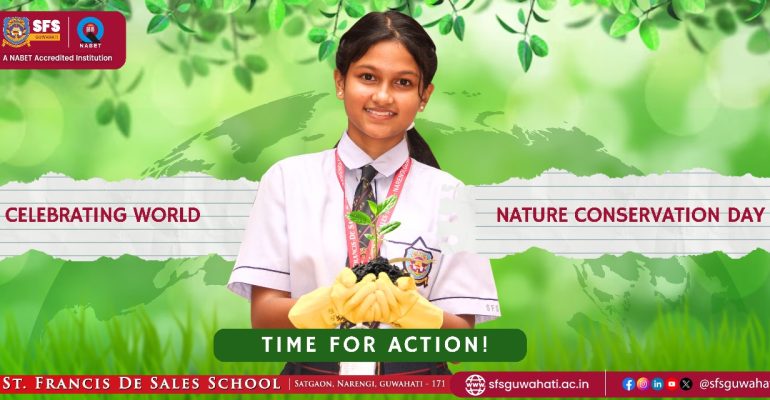
Every year on July 28th, people from all over the world come together to celebrate World Nature Conservation Day. It's a special day that reminds us of our shared responsibility to protect and preserve the natural world. It's a chance for us to think about how our actions impact the environment and to take meaningful steps towards sustainable living. So, in this blog, we'll dive into why World Nature Conservation Day is so important, the challenges we're up against, and the actions we can take to make a positive difference for our planet.
Why World Nature Conservation Day Matters?
World Nature Conservation Day is all about highlighting the significance of maintaining a healthy environment and using our natural resources sustainably. It reminds us of the need to strike a balance between humans and nature. Unfortunately, with rapid industrialization, urbanization, and the exploitation of natural resources, our environment is facing unprecedented threats. That's why this day serves as a call to action, urging individuals, communities, and governments to come together and address these challenges, ensuring a sustainable future for generations to come.
But this day isn't just about celebrating nature itself; it's about recognizing how crucial it is to our own lives. Nature provides us with essential resources like clean air, water, food, and raw materials. It also plays a vital role in regulating the climate, supporting biodiversity, and even offering us recreational and spiritual benefits. However, the pressure we're putting on natural systems is immense, and if we don't take action, it could lead to irreversible damage.
That's why World Nature Conservation Day encourages us to rethink our relationship with nature. It calls on us to adopt sustainable practices, reduce our ecological footprint, and support conservation efforts. It's also an opportunity to educate others about the importance of nature conservation and inspire collective action towards a sustainable future.
The Challenges We're Facing
CLIMATE CHANGE - Climate change is one of the most urgent environmental issues of our time. Rising temperatures, melting ice caps, and extreme weather events are just some of the consequences of unchecked carbon emissions. These changes not only threaten biodiversity and disrupt ecosystems but also have a significant impact on human livelihoods.
The effects of climate change are far-reaching. For example, rising sea levels are putting coastal communities at risk, while more frequent and severe heatwaves are endangering human health and agriculture. Climate change also worsens natural disasters like hurricanes, floods, and droughts, leading to loss of life, displacement, and economic hardship. Addressing climate change requires global cooperation and substantial changes in how we produce and consume energy.
DEFORESTATION - Deforestation continues to devastate our world's forests at an alarming rate. Forests are essential for maintaining ecological balance, supporting biodiversity, and regulating the climate. The loss of forests leads to habitat destruction, species loss, and contributes to global warming. Forests are home to a vast array of species and play a critical role in the carbon cycle. They absorb carbon dioxide, helping to mitigate climate change. However, deforestation driven by agriculture, logging, and urban expansion poses a significant threat. The Amazon rainforest, often referred to as the "lungs of the Earth," has experienced significant deforestation, impacting biodiversity and the global climate.
POLLUTION - Pollution comes in different forms - air, water, and soil - and it seriously puts our health and the wellbeing of wildlife at risk. Plastic pollution, in particular, has become a major crisis. Every year, millions of tons of plastic waste find their way into our oceans, causing harm to marine life and throwing ecosystems out of balance. Air pollution is another big issue. It's caused by emissions from vehicles, industries, and agriculture, and it contributes to respiratory and cardiovascular diseases. Water pollution, on the other hand, is caused by industrial waste, agricultural runoff, and sewage. This kind of pollution messes with both freshwater and marine ecosystems, posing a threat to aquatic life and the health of humans who rely on these ecosystems.
Dealing with pollution requires a comprehensive approach. We need stricter regulations, better waste management systems, and public awareness campaigns. It's also crucial to reduce our reliance on single-use plastics, promote recycling, and embrace cleaner technologies. These steps are key to tackling pollution head-on.
THE LOSS OF BIODIVERSITY - So, here's the deal: biodiversity is taking a major hit, and it's a big concern. We're seeing species go extinct at an alarming rate, and the main culprits are habitat loss, climate change, pollution, and overexploitation. Now, why should we care? Well, the thing is, biodiversity is crucial for our survival. Each species has a unique role in its ecosystem, and when we start losing them, it messes up the whole system. And that's bad news for things like food security, health, and economic development.
Actions We Can Take
BACK CONSERVATION EFFORTS
One way we can make a real impact is by supporting organizations and initiatives that are all about conservation. Donating money or volunteering your time to groups that work to protect endangered species, restore habitats, and promote sustainable practices can really make a difference. There are loads of conservation organizations out there doing great work, like the World Wildlife Fund (WWF) and The Nature Conservancy. By chipping in, you're helping to fund important projects and advocacy efforts.
REDUCE, REUSE, RECYCLE
We've all heard the three R's: reduce, reuse, and recycle. And they're not just catchy phrases – they can actually help us cut down on waste. By being mindful of what we consume, reusing stuff instead of throwing it away, and recycling whenever possible, we can make a big dent in the amount of trash we generate. So, grab a reusable bag, ditch the disposable water bottles, and opt for products with minimal packaging. It's simple steps like these that can have a real impact.
SAVE WATER AND ENERGY
Conserving water and energy is another way we can do our part. Small changes, like fixing leaks, using energy-efficient appliances, and being mindful of our water usage, can add up to some major savings. And let's not forget about renewable energy sources, like solar and wind power. By supporting them, we're reducing our carbon footprint and helping to protect our precious natural resources.
Water conservation is especially important in areas where water is scarce. So, turn off the tap while you're brushing your teeth, take shorter showers, and consider using water-efficient fixtures. When it comes to energy, let's be smart about it. Switch to LED bulbs, insulate our homes, and unplug those electronics when they're not in use. Every little bit counts!
EMBRACE SUSTAINABLE PRACTICES
We can all do our part by adopting sustainable practices in our daily lives. Support local and sustainable agriculture, cut back on meat consumption, and choose products that have a minimal impact on the environment. And let's not forget about choosing eco-friendly products – ones that have minimal packaging or are made from sustainable materials.
When we make conscious choices like these, we're sending a message that we want more sustainable options. And that's how change happens.
EDUCATE AND SPEAK UP
Education is a game-changer when it comes to making a difference. Spreading the word about environmental issues and standing up for nature-friendly policies can bring about some serious progress. Get involved in conversations, join community events, and use your voice to make a positive impact. Teaching others about the importance of nature conservation can ignite action. You can do this through social media, local events, or even just casual chats. Advocacy means standing behind policies and rules that prioritize environmental protection. This involves reaching out to local representatives, participating in green campaigns, and voting for candidates who champion sustainability.
World Nature Conservation Day reminds us that the fate of our planet rests in our hands. Each and every one of us has a role to play in safeguarding the environment and securing a sustainable future. By taking proactive steps and making conscious choices, we can contribute to preserving nature and promoting the well-being of all living beings. Let this day inspire us to take action not just for a day, but every single day, in our quest for a healthier, more sustainable world.
https://www.youtube.com/watch?v=X2YgM1Zw4_E