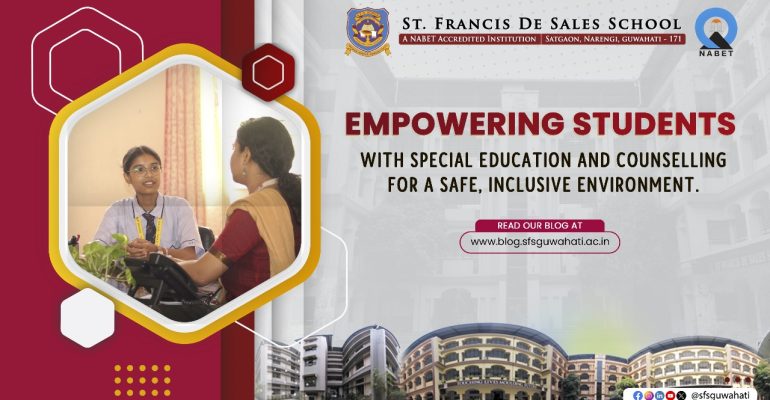
Empowering students with Special Education and Counselling for a Safe, Inclusive Environment
In today’s world, schools play a crucial role in shaping not only the academic success of students but also their overall development as individuals. More than ever, educational institutions are recognizing the importance of fostering an inclusive and supportive environment for all students, regardless of their background or individual challenges. Special education and counselling services are becoming essential components of this mission, ensuring that students receive the help they need to thrive both academically and emotionally.
The Importance of Inclusive Education
Inclusion in education goes beyond simply having all students in the same classroom. It’s about creating an environment where every child feels valued, supported, and understood. Students come from diverse backgrounds, and some may have unique learning needs that require additional support. Schools that embrace inclusive education ensure that these students have the same opportunities to learn and grow as their peers.
By providing tailored learning strategies and personalized attention, inclusive education helps students with learning difficulties, disabilities, or other challenges achieve their full potential. These schools use specialized teaching methods and tools, such as visual aids, interactive technologies, and small group sessions, to create a learning environment where everyone can succeed. In this way, inclusion not only benefits those with special needs but also promotes a culture of empathy, understanding, and cooperation among all students.
Special Education: Tailored Support for Every Child
Special education is designed to meet the individual needs of students who face learning or developmental challenges. Schools that offer special education services provide personalized support to help these students overcome obstacles and reach their academic goals.
For students with conditions such as dyslexia, ADHD, or autism, specialized educators use unique approaches that cater to their specific learning styles. These educators create Individualized Education Plans (IEPs) that outline the strategies, tools, and accommodations needed for each student to succeed. This customized approach ensures that students with learning difficulties receive the guidance they need to grow academically while building confidence in their abilities.
The Role of Counselling in Student Well-Being
While academic success is important, a child’s emotional and mental well-being is just as crucial. Schools that offer counselling services recognize that students often face stress, anxiety, peer pressure, and other emotional challenges. Without proper support, these issues can affect their performance in school and their overall happiness.
School counsellors provide a safe space for students to talk about their feelings and struggles. Whether it’s dealing with academic stress, social challenges, or personal issues, counsellors are there to help students work through their problems in a healthy and constructive way. By offering one-on-one counselling, group sessions, and workshops, schools ensure that students develop emotional resilience, self-awareness, and strong interpersonal skills.
Creating a Safe and Supportive School Environment
A truly inclusive school environment is one where every student feels safe—both physically and emotionally. Schools must take active steps to create a space free from bullying, discrimination, and harassment. This includes training teachers and staff to identify and address issues early on, as well as implementing programs that promote positive behavior and conflict resolution.
Counselling services also play a vital role in fostering a safe environment. Anti-bullying programs, social-emotional learning activities, and peer support groups help create a culture of kindness, respect, and understanding. When students feel safe and supported, they are more likely to engage fully in their education and reach their potential.
The Role of Parents and Teachers in Supporting Students
Creating a safe and inclusive environment is not the responsibility of the school alone. It requires a strong partnership between parents and educators. When parents are actively involved in their child’s education, it leads to better outcomes both academically and emotionally. Regular communication between teachers, counsellors, and parents ensures that students receive consistent support at home and in school.
Parents can play a key role by staying informed about their child’s progress, attending meetings, and collaborating with teachers to address any challenges. By working together, parents and schools create a nurturing environment where students feel empowered to succeed.
Looking Ahead: A Brighter Future for All Students
Empowering students through special education and counselling ensures that every child, regardless of their challenges, has the opportunity to succeed. Schools that prioritize inclusivity, emotional well-being, and personalized support are creating a brighter future for all students, helping them develop the skills they need to navigate both school and life.
As more educational institutions embrace these values, they are not only preparing students for academic success but also helping them become confident, compassionate, and well-rounded individuals who can contribute positively to society.