
Mind matters: Tips for your mental well-being
October 8, 2023 2023-10-08 0:00Mind matters: Tips for your mental well-being
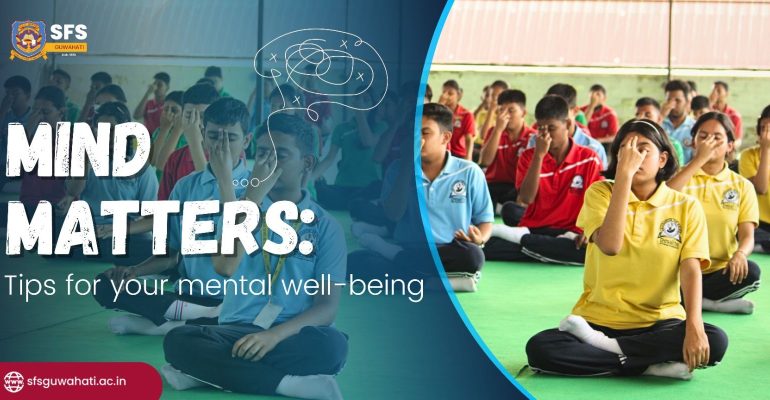
Hello, lovely young people!
The past few days have been cloudy, coupled with incessant downpour. The whole city is reeling under flash floods. Although initially we all welcomed the rain with open arms, as it was a welcome break from the harsh sun, I'm sure all of us have got fed up with the sludge by now. The absence of the sun has also made the ambience gloomy, leading to sad thoughts.
Although it's normal to have sad thoughts once in a while, if you are experiencing sadness constantly, you need to seek help because just like the body gets sick sometimes, the mind too might get sick. It's not unusual and there's nothing to be ashamed of. Mental well-being is as important as physical well-being and it's high time we took care of our mental health just the way we take care of our physical health. In today's fast-paced lifestyle, we often tend to overlook what affects our mental well-being. You might be stressed about studies, problems at home, etc. These issues could affect your mental well-being in the long run. So it's important to address these issues right away by talking to your school counselor or any adult you trust.
And it's not just about the gloomy weather these days. There's another reason why I'm talking about mental well-being today. It's World Mental Health Day on October 10. World Mental Health Day is observed every year on October 10 to raise awareness about mental health around the world and to support those experiencing mental health issues.
Every year since 2013, the World Health Organization (WHO) has organized a global campaign for World Mental Health Day. According to WHO, good mental health is vital to overall well-being. World Mental Health Day 2023 is an opportunity for people to unite together and understand the theme that ‘Mental health is a universal human right.
Good mental health is important for our overall health and well-being. Yet one in eight people globally are living with mental health conditions, which can impact their physical health and well-being, how they connect with others, and their livelihoods.
Mental health conditions are also affecting an increasing number of adolescents and young children like you. Youngsters are finding it difficult to connect with their peers as there is a constant fear of being judged or rejected. With parents putting constant pressure on their children to excel in academics and extracurricular activities, the children feel dejected. There has been a rise in the number of cases where children are not happy with what they are doing.
Moreover, having a mental health condition should never be a reason to deprive a person of their human rights or to exclude them from decisions about their own health. Yet, all over the world, people with mental health conditions continue to experience a wide range of human rights violations. Many are excluded from social life and discriminated against, while others cannot access the mental health care they need. WHO continues to ensure that mental health is valued and that urgent action is taken so that everyone can exercise their human rights and access the quality mental healthcare they need.
Let us pledge to take care of our own mental health and also the mental health of those around us with the help of the following tips:
1. Talk!
Talking to someone you trust – be it your counsellor, friend, teacher, family member or any adult – can help. You will feel better if you openly share what you are going through with someone who cares about you. If you are not comfortable with face-to-face interactions, you can still stay connected with your loved ones through video/voice calls and texting.
2. Physical well-being is important for mental well-being.
Taking care of your physical health helps improve your mental health and well-being. Be active for at least 30 minutes daily, whether it's running, walking, yoga, dancing, cycling, or gardening. Eat a balanced and healthy diet. Make sure to get enough sleep.
3. Do activities you enjoy.
It's very important to do the activities that you find meaningful, such as painting, playing with your pet, walking in the park, reading a book, or watching a film or TV series. Having a regular routine with activities that make you feel happy will help you maintain good mental health.
4. Say 'no' to harmful substances!
Don’t use harmful substances such as drugs or tobacco to cope with what you’re feeling. These substances are dangerous as these affect physical as well as mental health and can put you and those around you at risk of diseases or injuries.
5. Seek professional help.
If you feel like you cannot cope with the stress that you are facing, seek professional help by getting in touch with your school counsellor or family physician who will recommend a good psychologist/psychiatrist to your parents for you. Remember you are not alone.
Well, I hope these tips help and I hope all of you stay physically and mentally healthy!