
BEYOND LIKES AND FOLLOWERS: HELPING CHILDREN BUILD MEANINGFUL FRIENDSHIPS
July 4, 2026 2026-07-04 10:52BEYOND LIKES AND FOLLOWERS: HELPING CHILDREN BUILD MEANINGFUL FRIENDSHIPS
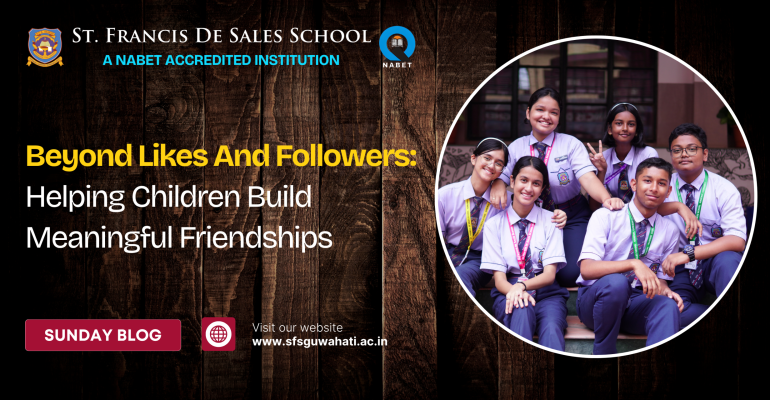
A thousand followers. Hundreds of likes. Endless notifications.
Yet, for many young people today, finding someone they can truly talk to is becoming increasingly difficult.
We live in an era where friendships often begin with a 'Follow' button, conversations happen through screens, and popularity is sometimes measured by numbers on a profile. Social media has undoubtedly made the world more connected than ever before, allowing us to stay in touch across cities and even continents. But amidst this constant connectivity, an important question remains:
Are we building connections, or are we building relationships?
Because when life becomes challenging, it isn't the number of followers that matters. It is the one friend who notices you're unusually quiet, sits beside you without being asked, and reminds you that you don't have to face everything alone.
Followers Can Boost Your Profile. Friends Build Your Life.
Having hundreds, or even thousands of followers may seem impressive, but numbers alone cannot provide comfort, trust, or genuine companionship.
A follower may like your latest photograph.
A real friend notices when your smile isn't genuine.
A follower reacts to your story.
A real friend asks, "Are you okay?"
True friendship isn't measured by likes, comments, or streaks. It is built through trust, honesty, respect, shared experiences, and the willingness to stand by one another during both joyful and difficult moments.
Being Seen Online Isn't the Same as Being Understood
Social media often presents carefully selected moments, the celebrations, achievements, holidays, and happy memories. Rarely do we see the challenges, disappointments, or struggles that people quietly carry.
For young minds, constantly comparing their everyday lives to someone else's highlight reel can sometimes create unnecessary pressure to appear perfect.
The reality is that nobody lives a perfect life.
Helping children understand this difference is essential. Their confidence should grow from their character, talents, values, and relationships, not from the number of people who double-tap a post.
The Friendships That Truly Matter
Meaningful friendships are built on conversation, act of kindness, and shared experience at a time. Encourage children to become the kind of friend they would like to have.
That means learning to:
- Listen without interrupting.
- Celebrate a friend's success instead of competing with it.
- Include someone who may be sitting alone.
- Respect differences in opinions, backgrounds, and abilities.
- Apologise sincerely when they are wrong.
- Stand up for others instead of remaining silent when someone is being excluded or bullied.
These simple actions create trust: the foundation of every lasting friendship.
Your Circle Shapes Your Future
It is often said that we become like the people we spend the most time with.
Friendships influence far more than weekend plans or classroom conversations. They shape attitudes, habits, decisions, confidence, and aspirations.
Friends can encourage us to work harder, dream bigger, and become better individuals, or they can lead us towards unhealthy choices and negative behaviours.
This is why choosing friends wisely is one of the most important decisions young people will make. A good friend doesn't simply make life enjoyable; they help bring out the best version of you.
Finding Balance in a Digital World
Technology is not the enemy. It allows children to learn, collaborate, stay connected with loved ones, and explore ideas beyond geographical boundaries.
However, digital interactions should complement real-life relationships, not replace them.
Some of life's happiest memories are still created away from screens, playing a game together, working on a school project, laughing over lunch, participating in sports, volunteering for a community initiative, or simply enjoying an uninterrupted conversation.
These are the moments where trust grows, empathy develops, and friendships deepen.
Parents and Schools: Building a Culture of Connection
Children learn how to build relationships by observing the adults around them.
Parents can encourage open conversations at home, create opportunities for children to spend quality time with friends beyond social media, and model empathy, respect, and healthy communication in everyday life.
Schools also play an essential role in nurturing positive friendships. Collaborative learning, sports, cultural activities, clubs, leadership opportunities, and community service allow students to interact, appreciate different perspectives, and build relationships based on cooperation rather than competition.
Together, families and schools can help children understand that meaningful friendships require time, effort, kindness, and mutual respect.
Conclusion
Years from now, children are unlikely to remember how many followers they had or which post received the most likes.
They will remember the friend who shared notes before an examination.
The friend who waited for them after school.
The friend who believed in them when they doubted themselves.
The friend who stood beside them when life felt difficult.
Those are the friendships that leave a lasting impact.
We believe education is about much more than academic excellence. It is about nurturing compassionate individuals who value empathy, integrity, collaboration, and meaningful human connections. In a world driven by technology, may we continue to encourage our children to look beyond likes and followers and invest in friendships that enrich their lives, strengthen their character, and remain with them long after their school years have passed.