
MORE THAN A VACATION: HELPING CHILDREN DEVELOP SKILLS THAT LAST A LIFETIME
July 4, 2026 2026-07-04 10:48MORE THAN A VACATION: HELPING CHILDREN DEVELOP SKILLS THAT LAST A LIFETIME
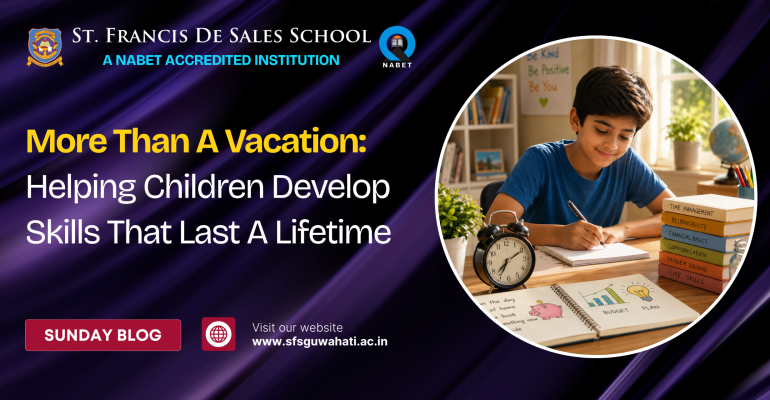
For many children, school holidays are synonymous with late mornings, carefree play, and a break from homework. While rest is an important part of every vacation, holidays also present a valuable opportunity to learn lessons that cannot always be found in textbooks. The weeks away from school allow children to develop practical life skills that build confidence, independence, and resilience, qualities that prepare them not just for the next academic session, but for life itself.
Here are a few meaningful skills parents can encourage during the holidays.
Time Management: Learning to Balance the Day
Without the structure of a school timetable, children can easily fall into irregular routines. Rather than planning every minute, parents can help children create a simple daily schedule that balances reading, play, hobbies, household responsibilities, and relaxation.
Learning to manage time independently teaches children to prioritise tasks and develop self-discipline. These habits make the transition back to school smoother and encourage them to take ownership of their daily responsibilities.
Responsibility Begins at Home
School holidays are an excellent time to involve children in simple household tasks. Making their bed, organising their study table, watering plants, folding clothes, helping set the dining table, or packing their own school bag before reopening are small responsibilities that make a big difference.
Such activities teach children that every member of the family has a role to play. They learn accountability, develop organisational skills, and gain confidence in completing tasks independently.
Basic Financial Awareness
Children need not wait until adulthood to learn about money. Everyday situations can introduce simple financial concepts in an age-appropriate manner.
Parents can involve children while grocery shopping by asking them to compare prices, prepare a shopping list within a budget, or distinguish between needs and wants. Giving older children a small allowance to manage responsibly can also help them understand saving, spending wisely, and making thoughtful choices.
These early experiences lay the foundation for financial responsibility in later life.
Communication Through Everyday Conversations
Good communication is more than speaking confidently, it also involves listening with patience and expressing ideas respectfully.
Family meals, evening walks, or shared activities provide excellent opportunities for meaningful conversations. Encourage children to share what they learned during the day, discuss a book they are reading, or express their opinions on current events in an age-appropriate way.
These simple interactions strengthen communication skills while building trust and emotional connections within the family.
Problem-Solving and Decision-Making
Parents naturally want to help whenever children face difficulties. However, school holidays are an ideal time to encourage children to think independently.
If siblings disagree, guide them towards finding a fair solution. If a toy breaks, ask how it could be repaired before offering help. Allow children to plan a family picnic, organise a small project, or decide how to spend part of their day.
By solving everyday challenges, children learn to think critically, evaluate options, and understand that mistakes are valuable opportunities to learn.
Learning Practical Skills
Holidays also provide time to explore practical activities that children may not experience during the busy academic year.
Learning to prepare a simple breakfast, riding a bicycle, gardening, stitching a loose button, maintaining personal hygiene, or learning basic first-aid are skills that encourage independence and self-confidence.
Similarly, hobbies such as painting, music, coding, photography, or creative writing help children discover new interests while developing patience, creativity, and perseverance.
Digital Responsibility
Technology is an integral part of modern life, but using it wisely is an important life skill.
Instead of focusing only on limiting screen time, parents can encourage children to use technology purposefully, watching educational videos, learning a new skill online, practising coding, or exploring virtual museum tours. At the same time, children should understand the importance of balancing digital activities with outdoor play, reading, and face-to-face interactions.
Developing healthy digital habits today prepares children to become responsible digital citizens tomorrow.
Conclusion
School holidays are far more than a pause in academic learning. They are an opportunity for children to grow through everyday experiences, develop practical life skills, and become more confident and responsible individuals. The lessons learned while managing time, helping at home, communicating effectively, making thoughtful decisions, and caring for others often stay with children long after the vacation has ended.
We believe that education extends beyond the classroom. Academic excellence is strengthened when children also develop the values, life skills, and character needed to thrive in an ever-changing world. This holiday season, let us encourage our children to embrace experiences that prepare them not just for the next school term, but for a lifetime of learning and responsible living.